


.png)


How to take Damiana
Key Takeaways
- Damiana, also known as Turnera diffusa, has a rich history in traditional medicine for promoting mood and sexual health.
- You can consume Damiana as a tea, tincture, in capsules, or even as a smoke, but the quality and preparation are crucial for optimal effects.
- Begin with a small dose and titrate upward, observing how your body reacts and feels.
- If you take Damiana consistently, at roughly the same time each day, and listen to your body’s response, you can maximise its benefits.
- As with any supplement, consult a doctor before combining damiana with medications or if you’re not feeling well.
- Opt for premium products from trusted suppliers and verify purity and certification for safety and efficacy.
People typically brew Damiana as a tea or smoke it, but it is also used in tinctures and capsules. Damiana (Turnera diffusa) is a fragrant shrub whose leaves are known for their relaxing and uplifting properties. Most use damiana to relieve tension or encourage relaxation. Teas are a cinch if you have leaves dried and water hot. Smoking damiana provides immediate effects, whereas capsules or tinctures are more effective for those seeking a consistent dose, with a long history in herbal lore and are typically combined with other herbs. Ultimately, the best option depends on your preferences and lifestyle. In the next section, we unpack each method and what to anticipate from them.
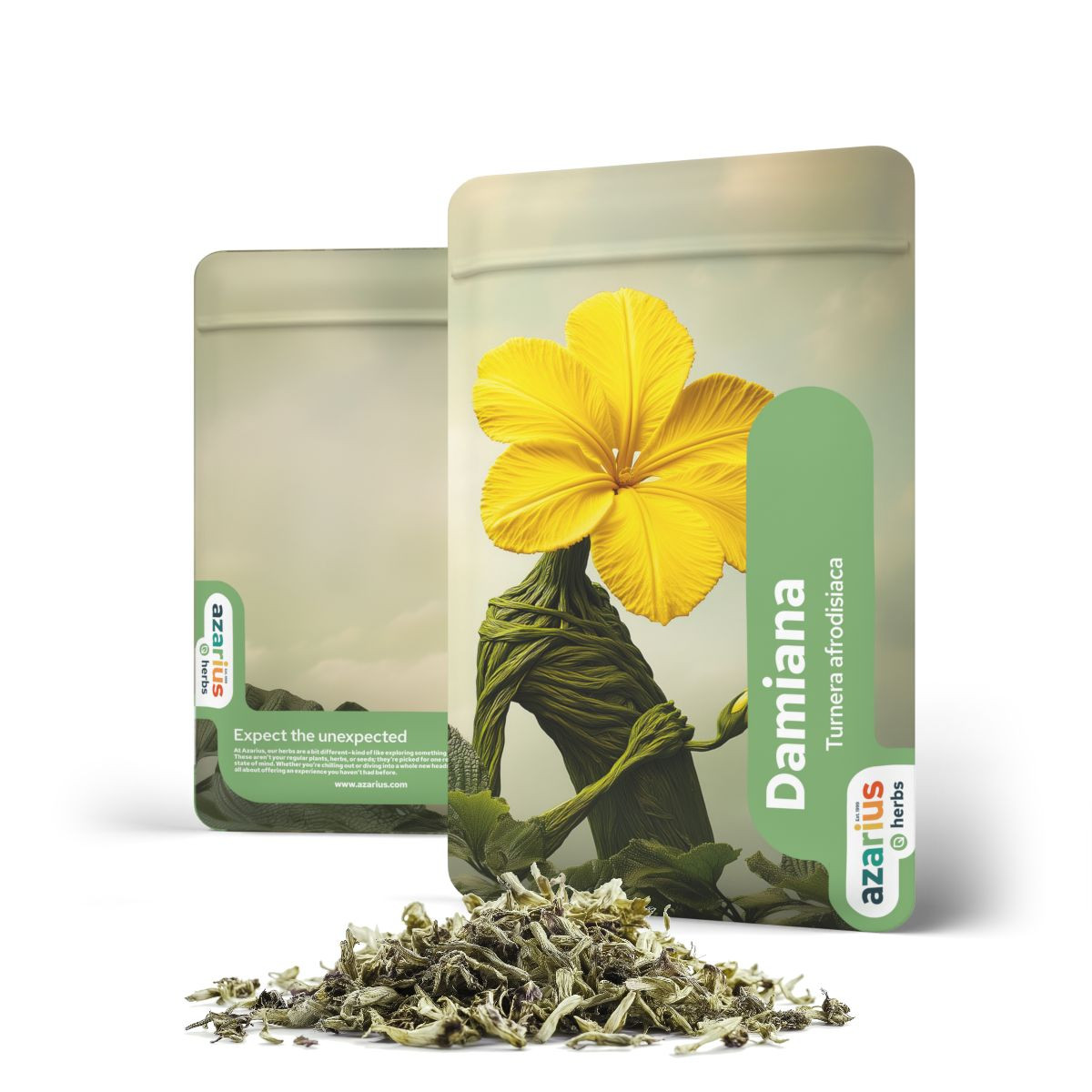
Damiana Leaves
Dried leaves (80g)What is Damiana?
Damiana is a small, wild shrub best known for its aromatic, yellow flowers and its longstanding use in herbalism. Native to Mexico, Central America and the West Indies, damiana (Turnera diffusa) is prized for its unique scent and medicinal properties. It’s a traditional medicinal plant renowned for its soothing properties, which can support sexual health and serve as a natural digestive aid. Below is a quick look at its origins and significance:
| Scientific Name | Native Regions | Historical Significance |
|---|---|---|
| Turnera diffusa | Mexico, Central America, West Indies | Used for centuries in Mexican folk medicine, rituals, and as a nerve tonic |
Traditional Roots
Damiana is notable in native medicine, particularly as an aphrodisiac. The healers of Mexico and Central America regularly brewed damiana tea or concocted tinctures, under the impression that it aided the libido and fertility. Employed in folk rituals, damiana was not merely a corporeal medicine, but one that played into spiritual practices, viewed as a means to cultivate equanimity.
Spanish missionaries introduced damiana into even broader use by incorporating it into their herbal medicine cabinets. The herb didn’t take long to get into anxiety, menstrual cramps and mild depression remedies. These applications persist into modern times, with numerous individuals continuing to turn to damiana for stress relief and natural mood enhancement.
Active Compounds
Damiana’s magic is in a blend of bioactive compounds. Flavonoids and glycosides were the most recognised. These offer antioxidant support and are believed to contribute to the herb's soothing effect. Volatile oils contribute yet another tier, imparting damiana’s distinctive scent and probably enhancing its medicinal potency.
These compounds are thought to elevate mood and bolster sexual function; however, research is sparse. While damiana’s antioxidant properties could aid in general well-being, damiana is for the natural set out there.
Modern Use
Damiana is commonly found in health and herbal stores. You’ve likely encountered it as a supplement, tea or part of a sexual or calming blend. Others consume it for gentle mood assistance, as a relaxant, or to relieve digestion and menstrual concerns.
All, there is increasing interest in damiana as a holistic health pick. While it has a long history, clinical support is lean — the majority of its benefits are traditional or anecdotal. Yet its blend of relaxant and stimulant energies sustains its appeal to lovers of mild, herbaceous assistance.

How long does Damiana last
Damiana's relaxing effects last 1–6 hours; store dried leaves in a cool, dark place for optimal freshness up to 2 years.How to Take Damiana
Damiana comes in various forms, each with its own unique advantages and optimal applications. Quality counts—select reputable vendors for potency and safety. What is good for you is good for me, so experiment to see what works for you. If you have health conditions or are taking medication, consult a medical practitioner first for personalised guidance.
- Dried leaves (for tea or smoking)
- Ground powder
- Tinctures (alcohol-based extracts)
- Capsules or tablets
- Herbal blends for smoking
1. As a Tea
Take half a teaspoon of dried damiana leaves in a cup. Steep the leaves with hot, not boiling, water (around 90°C) for 10–15 minutes.
Others prefer to blend damiana with chamomile or spearmint. This not only hides the potent flavour, but can also accentuate a gentler, more balanced taste. Take damiana tea once a day or thrice if your body can tolerate it. In comparison, some take it as a soothing nightcap or use it to unwind from the day. Damiana tea can assist with anxiety and promote a more relaxed disposition.
2. As a Tincture
Prepare damiana tincture by infusing the leaves in strong spirits for a few weeks, then filtering. Tinctures are fast and convenient to dose. A dropper under the tongue or in tea works well.
That convenience is a huge advantage for busy individuals. Tinctures can be added to beverages or taken directly. Tinctures are all the rage for quick mood support and chill. They provide a nice little alternative to sample damiana if you want to bypass the tea.
3. As a Capsule
Capsules are easy to use and provide consistent dosing, with a typical daily dose of 400–800 mg in divided doses. Alternatively, you can make your capsules at home, controlling what’s inside and the strength.
Capsules don’t have the damiana ‘earthiness’ that some love to avoid. Stick to trusted brands for peace of mind. Labels are essential–always read them.
4. As a Smokable
You can smoke damiana pure or combine it with other herbs. Certain parts of America follow this path, where alternatives are scarcer.
Smoking, to me at least, is not the safest path to damiana, given lung risks. Consider using teas, tinctures, or capsules as part of your daily regimen. Of course, e-smoking has cultural significance in some traditions.
Determining Your Dosage
Determining your damiana dosage involves a combination of mindful self-checks, patience, and respecting your body’s signals. There is no universal dosing standard; therefore, individual safe and efficacious quantities may vary. The checklist below addresses these concerns with practical steps to get you started, customise, and monitor your intake for optimal results.
Start Low
Start with the minimal effective dose. For most, that translates to 1 to 2 g of dried damiana leaf, or roughly one teaspoon, at a time. Others, like liquid extracts, typically use no more than 1ml (20 drops) per day. While a few studies went as high as 1,500–1,600 mg two or three times a day, it pays to start slow.
Maintain a plain journal. Record the dose, time, and your feelings for a week or two. This helps identify trends, both positive and negative, and keeps you anchored if you make changes later.
Be patient with your body. Effects are subtle and can take several days to become noticeable. Sprinting to an excessive dosage is the fastest route to pain. Allow them to subside and remain in touch with your body’s signals.
Listen In
Notice after each dose. Pay attention to how you feel—any changes in mood, energy, relaxation or libido. Emotional reactions can be as critical as physical ones.
Adjust your dosage just when you’re confident of the effects. If you feel little or nothing after a week, try a small bump. If you’re jittery, heavy, or off, cut back on caffeine.
Mood and libido changes are typical with damiana. Some see these benefits, others do not. Follow these shifts, as they often indicate your optimal dose.
If you experience concerning side effects, such as headaches or gastrointestinal issues, or generally anything that causes you concern, discontinue and consult a medical professional.
Consider Timing
Many consume damiana before times when they want to experience a sense of relaxation or connection, such as before intimacy. For others, it works better with light meals, not on an empty stomach.
Try to avoid late-night doses, as damiana can sometimes be wakeful or induce vivid dreams.
Be consistent. Take your dose around the same time(s) each day to assist your body in acclimating and to better monitor variations.
Consult a Professional
If you’re taking other medications or have any health issues, consult your physician first.
There’s no single correct dose. More research is needed.
Personal safety is always first.
Ask for guidance.

Damiana
Explore damiana's benefits with our high-quality supplements and extracts. Shop damiana leaf now at Azarius for fast delivery and excellent customer service!Safety and Interactions
Being a responsible damiana user means being aware of potential risks and understanding how it interacts with other substances. Safe usage promotes individual development and health consciousness.
Possible Side Effects
- Upset stomach or nausea
- Drowsiness or mild dizziness
- Changes in mood or alertness
- Insomnia and headache (especially if overused)
- Rare: convulsions at very high doses
Consuming large quantities of damiana can increase your likelihood of side effects, such as insomnia and headaches. Moderation reduces this danger. Be vigilant of anything that ‘feels off’ when initiating damiana. If you experience intense or unusual reactions, discontinue use and consult your healthcare provider.
Medication Cautions
Damiana may alter the effects of certain medications, including antidepressants. It can interact poorly with other blood sugar-lowering herbs, such as fenugreek or chromium. If you take medicines for diabetes, damiana could cause your blood sugar to plummet. Be sure to inform your healthcare provider if you start taking damiana, especially if you are taking other medications. Transparent conversations to identify and prevent issues early.
| Medication Type | Potential Interaction | Precaution |
|---|---|---|
| Diabetes medications | May cause low blood sugar | Monitor levels closely |
| Antidepressants | Mild interaction possible | Consult provider |
| Herbal blood sugar aids | Risk of low blood sugar | Avoid combining |
| Surgery-related meds | Could affect recovery | Stop 2 weeks before surgery |
Who Should Avoid
Pregnant or breastfeeding women should avoid damiana as no safety data is available. If you have a hormone-sensitive condition, such as some types of cancer, you should be cautious. Those with chronic or special medical needs should still ask their provider before testing damiana. Personalised advice keeps things safer and reduces the risk of adverse impacts.
Quality Matters
Good damiana is essential for safety AND effect. Seek out pure, organic products and shop from reputable companies with transparent labelling. Sourcing counts—quality suppliers screen for contaminants and display the origins of their herbs. Take a moment to research the reviews or verify that the product is organic before making a purchase.
Conclusion
Damiana keeps it simple. Brew it for a delicate lift, smoke it for a jolt, or opt for capsules if you’d like to bypass the flavour. Start with low doses and see how your body responds. Certain people flock to damiana to relieve tension or ignite a sluggish vibe, but each body functions a bit differently. Be aware of any potential side effects, and consult your physician if you’re taking medication. Folks from all around have been experimenting with damiana for years, so you’re not the only one who wants to find out if the buzz is genuine. Curious about damiana? Choose a route that suits your lifestyle and begin conservatively. Be inquisitive, cautious and narrate your experience.
Frequently Asked Questions
What is damiana used for?
Damiana is most famous for its effects on mood, relaxation, and sexual wellness. Some take it as a gentle herbal tonic. Research on these applications is still in its preliminary stages.
How do you take damiana?
You can take damiana in various forms, including tea, capsules, tinctures, or dried leaves. Be sure to follow the specific product instructions or consult your doctor for advice.
How much damiana should I take daily?
A standard daily dosage for adults is 2–4 g of dried leaves for tea. For supplements, stick with the manufacturer’s guidelines or consult your doctor.
Is damiana safe to use?
Damiana is safe for most adults when taken in moderate doses. Potential side effects include mild digestive upset. There hasn’t been any safety established for pregnant or breastfeeding people.
Can damiana interact with medications?
Indeed, damiana is known to have drug interactions with diabetes medications and others. Consult your doctor before taking damiana, especially if you are currently taking any prescription medications.
How long does damiana take to work?
Everyone’s different, so who knows what your body might do. Some effects are noticeable in a few hours. Others require days of use. The impact varies depending on the form and dose.
Can I take damiana every day?
Millions of people enjoy damiana every day in suggested doses. Long-term safety has not been well examined. Take pauses and visit a doctor if you’re worried.
Related posts
Is Kratom Addictive?
Is kratom addictive? This evidence-based guide examines what research says about kratom’s addiction potential, brain...
Read more
Kratom Dosage: What You Need to Know
Wondering how much kratom you should take? This guide explains safe kratom dosage by weight, tolerance, and strain....
Read more
A Beginner's Guide to Kratom Strains
Curious about red, green, or white kratom? This beginner’s guide explains what kratom strains are, how colour and...
Read more
What Are the Effects of Kratom on the Body?
Kratom affects the body in complex ways, influencing mood, energy, and pain perception. This article explores how...
Read more
How to Prepare and Use Kratom
Curious about kratom? This guide explains safe and effective ways to prepare and use kratom, from teas and capsules...
Read more
What are the side effects of kratom
Kratom is often seen as a natural remedy, but how safe is it? This guide explores the latest research on kratom side...
Read more
What Are the Side Effects of Damiana?
A clear guide to damiana risks for wellness, sexual health, or mood support. Learn what to watch for, who should...
Read more
How to take Khat
Learn how khat chewing is practised in East African and Arabian communities, from preparing fresh leaves to session...
Read more
What Is Blue Lotus and What Are Its Main Uses?
A grounded guide to the blue lotus flower (Nymphaea caerulea): its history, how people use it today, what to expect...
Read more
What are the side effects of Blue Lotus
Learn what we do (and don’t) know about blue lotus drug interactions, dosing, and how to reduce avoidable risks. Keep...
Read more
Is Hawaiian Baby Woodrose safe
Guide to Hawaiian baby woodrose: safety, effects, legality, and harm reduction for responsible use.
Read more
What Is Kratom and Where Does It Come From?
Kratom (Mitragyna speciosa) is a tropical tree native to Southeast Asia. Long valued in traditional communities, it’s...
Read more
What Is Kanna and What Are Its Traditional Uses?
Kanna, also known as Sceletium tortuosum, has been used for centuries by the Khoikhoi and San peoples for relaxation,...
Read more
How Does Kanna Work in the Body? Effects on Mood and Stress
Explore how kanna (Sceletium tortuosum) works in the body, focusing on its alkaloids such as mesembrine, serotonin...
Read more
How to Take Kanna: Powder, Capsules, Tea & More Explained
Curious about how to take kanna? This beginner-friendly guide explores common kanna consumption methods, including...
Read more
Buying Kanna Supplements: What to Look For
Curious about buying kanna supplements but unsure what really matters? This guide explains extract types, dosage...
Read more
Are There Side Effects or Risks Associated With Kanna?
Kanna is known for its gentle mood-enhancing effects, but like any active plant, it has potential side effects and...
Read more
How to Choose the Best Damiana Supplement
Not all damiana products are made alike. This guide breaks down labels, extracts, tinctures vs capsules, and quality...
Read more
What is Khat and Where Does it Originate From?
A straightforward guide to khat: its botanical background, where it comes from, the cultural history of khat chewing,...
Read more
What Is Hawaiian Baby Woodrose and What Are Its Common Uses?
Curious about Hawaiian baby woodrose seeds? This guide separates plant ID from internet lore, with a harm-aware look...
Read more
How Is Blue Lotus Traditionally Prepared or Consumed?
Curious about blue lotus' traditional uses? Explore how scent, ceremony, and shared drinking shaped infusions, wine...
Read more
What Is Passionflower Traditionally Used For? History, Herbal Uses, and How It’s Taken
From hedgerow vine to apothecary staple: see how different cultures used passionflower medicinally, and why...
Read more
Are There Any Side Effects of Taking Passionflower? What You Should Know Before Using It
Thinking of adding it to your wind-down routine? This guide breaks down passionflower tea side effects, dosing...
Read more
What Are Ephedra Seeds and Why Do People Use Them?
Curious about Ephedra vs ephedrine? This guide breaks down seeds, stems, and extracts, along with the real-world...
Read more
Ephedra Seeds Side Effects: What You Should Know
Thinking of trying ephedra? This guide breaks down ephedra health risks, how dose and product strength affect...
Read more
African Dream Seeds Explained: Origins, Meaning, and Traditional Uses
Curious how a drifting “sea bean” became a ritual object? Explore African dream bean history, cultural symbolism, and...
Read more