


.png)


Is Hawaiian Baby Woodrose safe
Key Takeaways
- Hawaiian Baby Woodrose LSA and other ergot alkaloids present, vary widely by seed, making effects and potency unpredictable. Respect it as an herb with actual toxicity potential, don’t see it as a neat little LSD substitute.
- Side effects can be serious and encompass nausea, vomiting, cardiovascular strain, anxiety, paranoia and psychosis. Consult a doctor if symptoms worsen or linger.
- Drug interactions are a risk, particularly with antidepressants, stimulants, opioids, phenothiazines and other psychedelics. Don’t mix and check your meds with a health pro.
- The LSA trip can extend for many hours with a hard comedown like exhaustion and depression. Schedule downtime and don’t drive, operate machinery, or make serious decisions for 24+ hours.
- Plant legality varies by nation, and typically distinguishes plant possession from extracts or items meant for psychoactive consumption. Check local laws prior to any purchase or use to prevent legal trouble.
- If you choose to proceed, use harm reduction: source seeds carefully, start with a very low dose, avoid combinations, prepare a calm setting with a trusted sitter, and document your dose and effects for safety.
Hawaiian baby woodrose is safe when handled carefully, dosed appropriately, and with a proper understanding of the dangers. The seeds have LSA, a puke-inducing, cramping, thought and mood-bending psychedelic. Effects begin in 30–120 minutes and can persist 6–10 hours. Typical doses are 1–3 seeds after scraping off outer coatings, which can mitigate stomach upset. Combining with alcohol or stimulants increases danger. Its use is contraindicated for those with heart, blood pressure, or mental health problems. Anecdotal reports indicate occasional vasoconstriction and severe anxiety at elevated dosages. Illegal in various countries. For harm reduction, they frequently begin low, have a trusted sitter and schedule a peaceful environment. The guide below details safety, preparation, and what to expect.
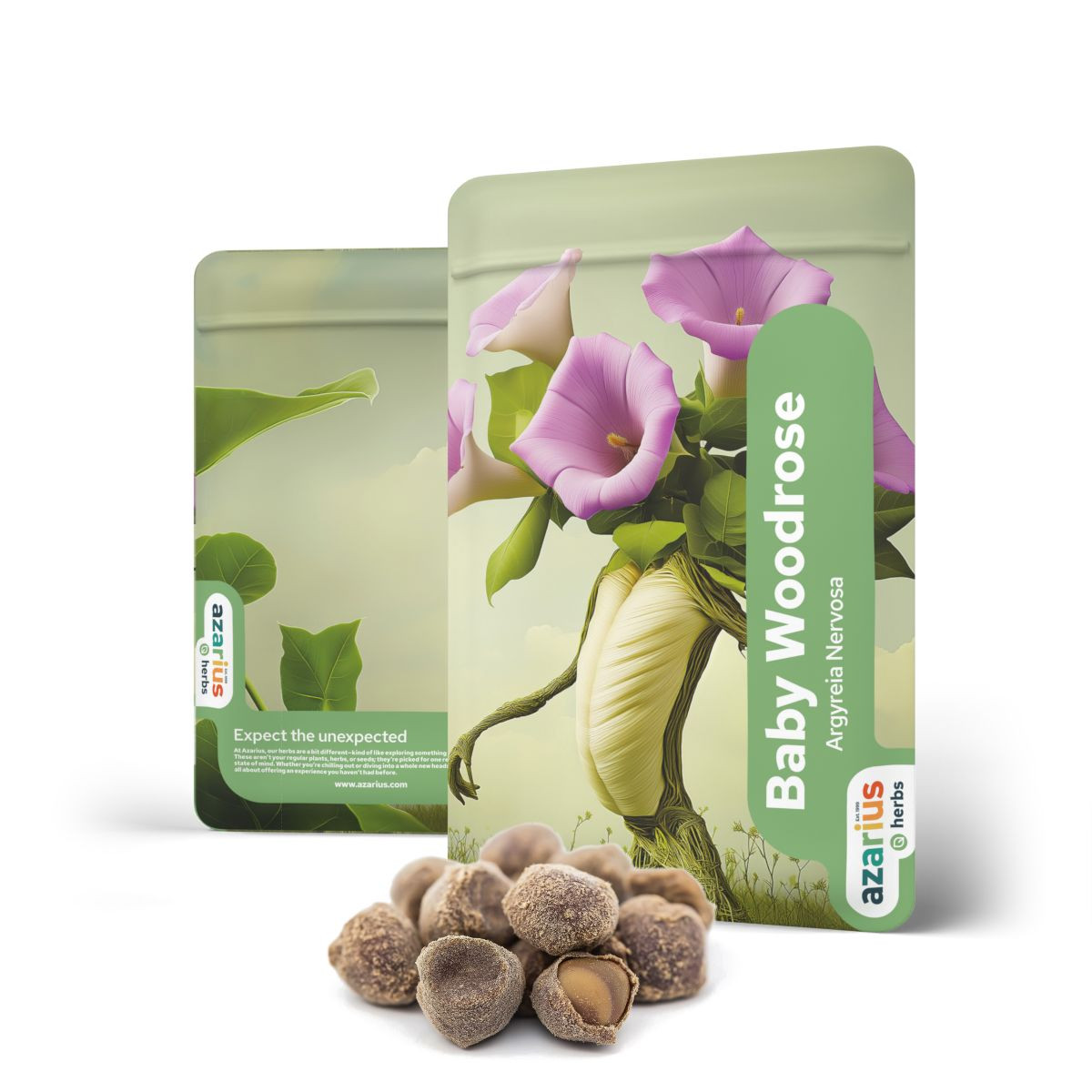
Baby Woodrose Seeds
Hawaiian seeds (10x)What is Hawaiian Baby Woodrose?
A psychedelic climbing vine with ergot alkaloids, including LSA (ergine), a close structural relative of LSD. Originally from India and southeast Asia, connected to ayurvedic medicine and ceremonial usage. Seeds are the active component and utilized as a recreational drug. Organic, but strength and poison are different depending on batch, origin, and treatment.
Botanical Profile
Argyreia nervosa is a perennial, woody-stemmed vine in the morning glory family. Featuring huge heart-shaped leaves and stunning flowers, it now flourishes in warm climates such as Florida, California and Hawaii. The seeds themselves are hard, brown-gray in color, and nestle in a fuzzy husk.
Its principal bioactives are total alkaloids, primarily ergoline alkaloids. Reported compounds are ergine (LSA), lysergic acid, methylergometrine, and methysergide, and small loline alkaloids.
The seeds contain psychoactive indole alkaloids and related ergot alkaloids that power effects including altered perception, nausea, and sedation. One analysis discovered stereoisomers of ergine at approximately 0.325% dry weight, however, this is not a safe dosing reference.
Phytochemistry is spotty. Seed age, source, and storage and treatment change alkaloid balances. Two batches can be very different at the same seed count.
Traditional Uses
In ayurveda, the plant–particularly the root–features as a tonic for nerves and brain. It appears in regeneration formulas and as an aphrodisiac in ancient texts.
Preparations were raw extracts or poly-herb blends for pain relief and anti-inflammation, not hallucinations. Doses were mild and frequently paired with nutritional and lifestyle advice.
There was no modern toxicology, purity testing, or clinical surveiling for these practices. Effects were understood via humoral and spiritual frameworks, not receptor pharmacology.
These traditional doses and routes differ from the current oral seed chewing or extraction, and are remote from any parenteral use documented in toxicology cases.
Modern Context
Nowadays it’s marketed as a “natural hallucinogen,” or a “smart drug.” Some users compare it to LSD, yet the profile is distinct: more body load, vasoconstriction risk, and inconsistent visuals.
Teenagers occasionally consume seeds for an inexpensive “high.” Seeds and extracts trade in gray markets and under “research chemicals,” where labeling is uneven.
Misuse and large doses can lead to acute toxicity, panic, vomiting, and hospitalizations. Interactions are real: serotonergic drugs raise risk for serotonin-related issues. Vasoconstrictors or certain blood pressure meds can compound cardiovascular strain. Discontinue at least 2 weeks prior to surgery because of possible interactions with anesthetic and blood pressure control.
It’s a real natural product with real risks, particularly when combined with drugs or consumed at high doses.
What are the side effects of Hawaiian Baby Woodrose
HBWR seeds contain lysergic acid amide (LSA), a psychotropic ergoline. Its use has dangerous health implications, given the erratic alkaloid concentrations and strength. There can be extreme consequences such as acute and systemic toxicity and fatal doses have been documented. Lack of medical indication, and negative incidents show up in clinical reports. Improper use may cause emergencies requiring immediate medical attention.
1. Physical Discomfort
Oral use commonly causes nausea, vomiting and gastrointestinal upset. Muscle cramps, cold sweats and tremors are typical. Mydriasis and dry mouth occur frequently, with ataxia in the upper ranges.
High doses may push cardiovascular strain: palpitations, blood pressure swings, and chest tightness. Magnesium imbalance is mentioned. Others report phenothiazine‑like depressant effects, such as marked sedation and motor slowing.
Anticholinergic‑type effects can appear: blurred vision, urinary hesitancy, and constipation. These dose‑dependent effects, and low tolerance or sensitive individuals can suffer serious distress from a few seeds.
Peak effects tend to come on within 30–90 minutes, with a 6-8 hour time frame, but hangover-type dysphoria may linger.
2. Psychological Risks
LSA can induce visual and auditory hallucinations, time distortions and euphoria. It can precipitate anxiety, panic, paranoia and agitation.
Severe reactions may resemble LSD toxicosis: confusion, hallucinations, and psychotic behavior. Case reports involve acute psychosis accompanied by disorganized thought that necessitated hospitalization or inpatient treatment.
Heavy amounts or long-term usage could trigger ongoing mood shifts, restlessness or bouts of depression. Pre-existing or undiagnosed mental illness can exacerbate, even with one use.
Deaths associated with disinhibited behavior, such as a drunken ‘bungee jump’ out of a window, have been reported.
3. Chemical Variability
Alkaloid content differs broadly seed-to-seed and batch-to-batch. One seed may seem languid, another stormy.
No standardization, which means a real risk of toxic AND ineffective doses. Unidentified ergopeptines, other compounds can contribute adverse effects.
This inconsistency obfuscates damage evaluation and impedes secure medicinal research.
4. Dangerous Interactions
Mixing HBWR with phenothiazine tranquilizers or morphine may increase toxicity. Cannabis or ethanol could deepen sedation, confusion, or anxiety.
Blending with salvia, kratom, or synthetics can conjure synergistic overload. Antidepressants and catecholamine releasers increase the risk for serotonin syndrome and hypertensive events.
Interactions with prescriptions or herbal stacks can become serious or lethal. Discontinue HBWR at least 2 weeks prior to surgery because of anesthetic risks.
5. Long-Term Unknowns
There is little chronic toxicity data in humans. No strong controlled trials track repeated exposure or cumulative risk. Potential organ stress, neurological changes or lingering inflammation is unknown, and long‑term prognosis is unclear.
The LSA Experience
LSA, the primary psychoactive in HBWR seeds, forms the bulk of the mental and physical impact. It shares reports with LSD—bright visuals and mood swings and time distortions, with more body load and in slow motion. Dose, seed strength and individual sensitivity vary greatly, thus the same number of seeds can seem mild to one person and intense to another. The trip frequently lasts 6–12 hours and may assist some with peace and insight, though it can be ferocious, at times exhausting, and volatile.
Onset
Effects generally begin 30–90 minutes following oral administration. Mild indications would be mild euphoria, slight visual warping and hot or cold flush. Heart rate, blood pressure and body temperature can fluctuate, which many find disconcerting.
Nausea before the headspace comes, restlessness or anxiety. Preparation matters: scraping seed coats, cold-water extraction, or lower initial doses may reduce stomach load. Metabolism, recent meals, and drug interactions all impact how fast and strong, so two people can have very different kicks on the same batch.
Peak
At peak, perception can flip: moving patterns, closed‑eye imagery, and strong shifts in sound and touch. Some report analgesic or antinociceptive effects and deep reflection that feels grounded compared to LSD’s bright edge. Emotional swings are typical; music and low‑stimulation settings help guide tone.
This stage can go on for 4–8 hours, with bouts of intensity. High doses raise risk: panic, confusion, vertigo, or poor motor control. Delicate users, psychedelic newbies, and young people might require tight supervision by a sober sitter who can identify warning signs of trouble such as intense agitation, chest pain, or safety threats.
Aftermath
The comedown can feel heavy: fatigue, headache, and gut upset are common for up to 24 hours. Hydration, light food and rest assist.
A few users experience low mood or flat affect the following day, particularly those with prior anxiety or depression. Residual symptoms can wreck driving or work or study, so account for downtime. They last and rebound differently depending on dose, mindset, and if you experienced any negative side effects. Individuals with pre-existing medical conditions or who are taking medications should refrain from use without consulting a physician RISK OF CARDIOVASCULAR AND MENTAL HEALTH ISSUES.

What is Hawaiian Baby Woodrose
Hawaiian baby woodrose contains LSA, a natural psychedelic causing LSD-like effects. Risks include nausea, anxiety, and legal restrictions.Global Legal Status
The legal status for Hawaiian baby woodrose (Argyreia nervosa) changes across international borders. Rules may turn on the plant, the seeds, or their use. Several locales permit ornamentals but limit psychoactive prep. Our angle is pro-education and low-harm-option, so being able to see the map lowers risk and encourages conscious consumption.
- United States: Not federally scheduled, but ergoline-rich seeds can fall under state analog or “intended use” laws. Sale as botanical is widespread; extracts, tablets, or “trip kits” are more high-risk. Local regulations differ per city and campus.
- European Union: No EU-wide ban, but member states regulate under drugs acts or consumer safety. The EMCDDA’s Early Warning System identifies Argyreia nervosa as a tracked new psychoactive substance. Some countries (e.g. France and Lithuania) allow only for non-potable broad controls on hallucinogenic plants or seeds, some others consider it a non-regulated ornamental while prohibiting extracts sold for psychoactive use.
- United Kingdom: The Psychoactive Substances Act bans supply of psychoactive products. Seeds as garden stock are sometimes tolerated, but psychoactive preparations can be illegal.
- Germany: The Narcotics Act does not list the plant by name, yet sales “for intoxication” risk enforcement. Pharmacy and food laws might if promoted for ingestion. Extracts come under more rigorous oversight.
- Netherlands: Not scheduled under the Opium Act, but sale framed for psychoactive use may trigger enforcement under public health or product-safety rules. Ornamental trade is generally okay, concentrated products are more dangerous.
- Australia and New Zealand: Drug statutes and “analog” provisions can capture ergoline-containing material. Import controls are stringent. Psychoactive preparations would probably be prohibited without permission.
- India: Native range influences cultural presence, but national and state drug laws govern any psychoactive marketing. Planting is not selling extracts.
- Other regions: Some countries treat it as a “legal high” until rules update. Fast policy changes are prevalent following news or health warnings.
Notes that matter: ergoline alkaloids overlap with substances of interest under UN drug conventions, which can push national changes. The plant is not Hawaiian, its Indian origin fashions local customs but not immediate legality. When in doubt, review present statutes and discuss with an attorney. For the sake of clarity, construct a plain table of country, status and restrictions.
Mindset and Setting
Mindset and setting make safety HBWR. Both inner state and environment can reduce or increase risk, considering LSA’s cocktail of mood enhancement, sedation, and cognitive and visual jolts.
- Internal: mental health history, current mood, expectations, physical health, past psychedelic exposure
- External: trusted company, quiet space, privacy, access to care, plan for emergencies
- Poor mindset or setting can increase chances of bad trips and toxicity.
- Prepare a safe, supportive environment to reduce harm
- Consider both internal and external factors before any use
Internal Factors
Your own baseline is set by your state. Folks experience visual distortion, euphoria, drowsiness and psychedelic thought recursion after 4-8 chewed seeds. If you begin tense, the experience can reinforce internal tension or turn into a spiral of panic.
A background of anxiety, bipolar disorder, schizophrenia, psychosis, or major depression increases risk for adverse reactions. Case reports span persistent psychotic syndromes managed with atypical neuroleptics and benzos. Interactions with SSRIs, MAOIs, antipsychotics, stimulants and anything that stresses the heart or liver can muddy effects and recovery.
Previous LSD or other psychedelic experience could alter sensitivity to LSA. For some it’s like feeling more prepared and grounded, for others they experience faster onset of rumination or derealization. Keep your expectations modest. HBWR is not simply a “lighter LSD.” The body load may be heavier.
Verify health. LSA can impact blood pressure and heart rate – so the cardiovascular problems are a worry. The liver clears alkaloids – impaired liver function can delay recovery from side effects. Vomiting is prevalent – one patient vomited shortly after using despite previous uneventful experiences.
External Factors
Context either buffers or amplifies impacts. Select a peaceful, well-known chamber, gentle illumination, soothing harmonies, and few distractions. Prepare water, light food, blanket, restroom and phone. A reliable, sober sitter assists de-escalating the inner tension through uncomplicated nurturing—low lights, mellow noise, calming conversation.
Not in the middle of a chaotic or new location, in public, or under social pressure. These environments exacerbate fear, muddle, and discombobulation, and make cardiovascular dysregulation more difficult to control.
Maintain a backup plan. Be familiar with local emergency numbers. If you can, pre-brief a competent health care professional. Having someone who can evaluate worsening agitation, chest pain, or extended confusion provides an additional safety factor.
Historical use provides perspective, not an evidence of safety. These seeds show up in South American shamanic ceremonies and in tribal medicine all the way to Assam, India. Ritual settings are organized and supervised, in accordance with a harm-reduction mindset now.
Harm Reduction Practices
HBWR seeds are the best-known source of LSA and its cousins–which can shift mood, perception, and body load for a few hours. Impacts include light euphoria and sensory distortion, along with nausea, rapid heart rate and anxiety. Thoughtful scheduling minimizes danger and promotes conscious, responsible consumption.
- Buy seeds only from trustworthy suppliers who test for pesticides, heavy metals, mislabeling.
- Steer clear of vintage or treated flower seeds – coatings may be poisonous.
- Go low (typically 1–2 seeds; some never above 1) and wait 3–4 hours before any alteration.
- Employ metric scales when grinding; record seed number and weight.
- Peel off seed coats and rinse to slash nausea probability; cold-water pull may mitigate certain body burden.
- Quick fast (lightly 4–6 hours), drink lots of water or tea, no booze.
- Have a sober sitter in a quiet, safe environment.
- Define a stop time, disable driving or work schedules, lock up knives or staircases.
- Stock up on anti-nausea ginger or peppermint tea.
Stick with trusted sources to minimize contaminants or additives. Certain plants do contain β-carboline alkaloids with psychoactive properties utilized in traditional medicine, and a misidentified seed or purported blend could shift the strength or danger. Transparent supply lines and organic and sustainable harvest count. Request batch information or outside testing. Shop little, keep cool and dry, compost peels to waste low.
Log doses, effects, and side effects for later risk checks. Log date, seed count and mass, prep method, setting, onset time, peak, total duration, heart rate, blood pressure if you can, any visuals, mood shifts, or body tension. Notice tension, stomach upset, or insomnia. Track sleep, diet and meds that day. This record aids in identifying patterns such as blood pressure spikes or paranoia. If you observe dependence, compulsion to redose, or paranoid psychosis with visual or auditory hallucinations, halt and consult professionals.
Don’t combine with other drugs, alcohol or medications. Stimulants, MAOIs, SSRIs, and blood pressure drugs might increase the risk of serious toxicity. Even “little” booze can exacerbate nausea and blood pressure. Ketamine, which itself is an anesthetic with its own hallucinatory effects, is a hard no-mix. Needle and syringe programs reduce damage for other drugs, but with HBWR it’s all about clean prep and sober use. While related ayahuasca research looks promising, all psychoactives—HBWR included—come with hazards such as tachycardia, hypertension, mood swings and extra energy.

Baby Woodrose
Buy top-quality Hawaiian baby woodrose seeds. Shop now and enjoy fast shipping, secure checkout, and expert advice. Get your LSA seeds today.Conclusion
HBWR can taste lush. Others discover peace, radiant cheer, and piercing wisdom. Some encounter nausea, body load or a tough headspace. Dose, set and care bridge the gap.
To be safe, go low. Space adventures. Try seeds. Grind fresh. PS meds Have some water close by. Have a sober friend if new. Have a definite schedule. Reserve the following day.
Laws change by nation. Verify local legislation prior to acquiring or utilizing. Honor the plant and your organism. Little steps make for consistent progress.
Need more no BS advice on LSA, dosing, or preparation? Explore our harm reduction guides, seed selections, and equipment. Contact with your questions. We are here for you.
Frequently Asked Questions
Is Hawaiian Baby Woodrose (HBWR) safe to use?
HBWR isn’t safe. LSA, its active compound, can induce nausea, vasoconstriction, anxiety and intense psychoactivity. Safety is determined by dose, health status, and setting. Not recommended for people with heart, mental or vascular issues. As always, do your research and begin low.
What are the most common side effects of HBWR?
Frequent side effects are nausea, vomiting, stomach cramping, vasoconstriction (cold limbs), increased heart rate, dizziness and anxiety. Others suggest sedation, confusion, extreme reactions such as panic, hypertension and extended agitation. Consult a doctor if symptoms are severe or long-lasting.
How does the LSA experience differ from LSD?
LSA is typically more sedating and body-heavy than LSD. The visuals are softer, with more rumination and sleepiness. Nausea and vasoconstriction are more frequent. It comes on slower, and can feel dream-like, or soporific, rather than strongly psychotropic.
Is HBWR legal where I live?
Certain nations control the seeds or LSA, others don’t. They may become illegal. Confirm local laws before purchasing, possessing, or using HBWR. Good sources are official government sites and up to date legal overviews.
How should I prepare my mindset and setting?
Select a peaceful, secure environment with little responsibilities. Have a steady disposition. Have a reliable, sober sitter. Schedule water, mild nourishment and sleep. Stay away from crowds, or from driving or dangerous work. Pop notifications. Plan ahead for a few hours of effects.
What harm reduction steps can lower risks?
Ease in at a VERY light dose. Don’t mix with alcohol, stimulants, or MAOIs. Try one seed for sensitivity. Peel seed coatings with caution. Light eating, hydration, and sitter. If you’re unwell, get medical help. Skip use if you have health concerns.
Who should not use HBWR?
Do not take if pregnant or breastfeeding, have heart disease, hypertension, glaucoma, vascular issues, or a history of psychosis or severe anxiety. Don’t use if on antidepressants (particularly MAOIs), stimulants or vasoconstrictors. When in doubt, speak with a health care professional.
Related posts
Is Kratom Addictive?
Is kratom addictive? This evidence-based guide examines what research says about kratom’s addiction potential, brain...
Read more
Kratom Dosage: What You Need to Know
Wondering how much kratom you should take? This guide explains safe kratom dosage by weight, tolerance, and strain....
Read more
A Beginner's Guide to Kratom Strains
Curious about red, green, or white kratom? This beginner’s guide explains what kratom strains are, how colour and...
Read more
What Are the Effects of Kratom on the Body?
Kratom affects the body in complex ways, influencing mood, energy, and pain perception. This article explores how...
Read more
How to Prepare and Use Kratom
Curious about kratom? This guide explains safe and effective ways to prepare and use kratom, from teas and capsules...
Read more
What are the side effects of kratom
Kratom is often seen as a natural remedy, but how safe is it? This guide explores the latest research on kratom side...
Read more
How to take Damiana
Damiana aids mood, relaxation, and sexual wellness. Explore tea, tincture, or capsules. Start low and consult your...
Read more
What Are the Side Effects of Damiana?
A clear guide to damiana risks for wellness, sexual health, or mood support. Learn what to watch for, who should...
Read more
How to take Khat
Learn how khat chewing is practised in East African and Arabian communities, from preparing fresh leaves to session...
Read more
What Is Blue Lotus and What Are Its Main Uses?
A grounded guide to the blue lotus flower (Nymphaea caerulea): its history, how people use it today, what to expect...
Read more
What are the side effects of Blue Lotus
Learn what we do (and don’t) know about blue lotus drug interactions, dosing, and how to reduce avoidable risks. Keep...
Read more
What Is Kratom and Where Does It Come From?
Kratom (Mitragyna speciosa) is a tropical tree native to Southeast Asia. Long valued in traditional communities, it’s...
Read more
What Is Kanna and What Are Its Traditional Uses?
Kanna, also known as Sceletium tortuosum, has been used for centuries by the Khoikhoi and San peoples for relaxation,...
Read more
How Does Kanna Work in the Body? Effects on Mood and Stress
Explore how kanna (Sceletium tortuosum) works in the body, focusing on its alkaloids such as mesembrine, serotonin...
Read more
How to Take Kanna: Powder, Capsules, Tea & More Explained
Curious about how to take kanna? This beginner-friendly guide explores common kanna consumption methods, including...
Read more
Buying Kanna Supplements: What to Look For
Curious about buying kanna supplements but unsure what really matters? This guide explains extract types, dosage...
Read more
Are There Side Effects or Risks Associated With Kanna?
Kanna is known for its gentle mood-enhancing effects, but like any active plant, it has potential side effects and...
Read more
How to Choose the Best Damiana Supplement
Not all damiana products are made alike. This guide breaks down labels, extracts, tinctures vs capsules, and quality...
Read more
What is Khat and Where Does it Originate From?
A straightforward guide to khat: its botanical background, where it comes from, the cultural history of khat chewing,...
Read more
What Is Hawaiian Baby Woodrose and What Are Its Common Uses?
Curious about Hawaiian baby woodrose seeds? This guide separates plant ID from internet lore, with a harm-aware look...
Read more
How Is Blue Lotus Traditionally Prepared or Consumed?
Curious about blue lotus' traditional uses? Explore how scent, ceremony, and shared drinking shaped infusions, wine...
Read more
What Is Passionflower Traditionally Used For? History, Herbal Uses, and How It’s Taken
From hedgerow vine to apothecary staple: see how different cultures used passionflower medicinally, and why...
Read more
Are There Any Side Effects of Taking Passionflower? What You Should Know Before Using It
Thinking of adding it to your wind-down routine? This guide breaks down passionflower tea side effects, dosing...
Read more
What Are Ephedra Seeds and Why Do People Use Them?
Curious about Ephedra vs ephedrine? This guide breaks down seeds, stems, and extracts, along with the real-world...
Read more
Ephedra Seeds Side Effects: What You Should Know
Thinking of trying ephedra? This guide breaks down ephedra health risks, how dose and product strength affect...
Read more
African Dream Seeds Explained: Origins, Meaning, and Traditional Uses
Curious how a drifting “sea bean” became a ritual object? Explore African dream bean history, cultural symbolism, and...
Read more